
We’ve all heard the pitch: modernizing utility infrastructure drives economic development. However, if you talk to the people who actually live in your community, they’ll give you a much more practical measure of success. They’ll talk about water quality, peace of mind, and the simple relief of a lawn that doesn’t smell like a plumbing failure.
Growing up in the Tri-Lakes area myself, I’m happy to share my story that exemplifies this transition shift.
Tri-Lakes was an incredible place to spend a childhood and raise a family, but it wasn’t always paradise. For years, the local lakeside cottages relied heavily on individual septic systems. If you’ve ever had to handle property maintenance around a temperamental septic tank, you know exactly what I mean when I say it completely takes the fun out of mowing the lawn.
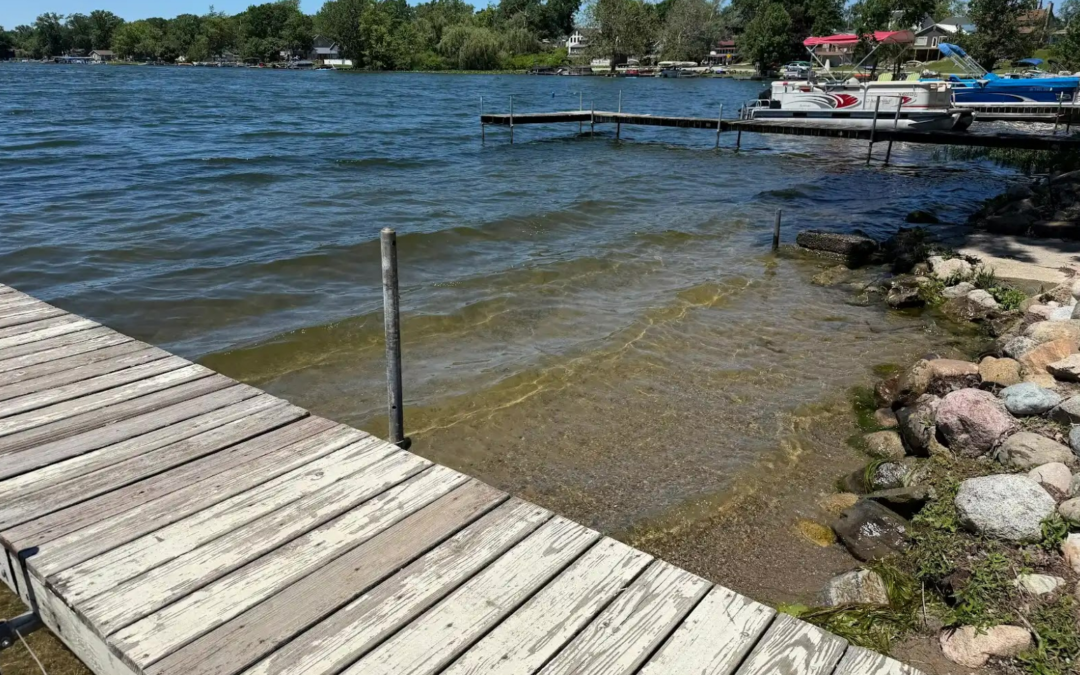
Beyond the backyard headaches, there was a much bigger issue looming over the community. With so many properties packed close to the water, a single failing septic system meant domestic waste could easily migrate straight into the lake. The very thing that made the community a beautiful place to live was constantly at risk of being ruined.
The Risk of the Status Quo vs. The Courage to Invest
In the early 1990s, the community reached a definitive crossroads. Local leaders and residents had to decide whether to keep patching a fragile status quo or commit to a massive, centralized water and sewage treatment project.
As any municipal leader knows, these choices are never easy. When the project was first proposed, plenty of people were unhappy about it. Major utility overhauls always mean upfront costs, torn-up roads, and a lot of community anxiety. It’s easy to focus on the short-term disruption, but looking back decades later, the community’s collective choice to push forward completely rewrote their trajectory. Once the centralized sewage system replaced those outdated septics, the transformation was undeniable and saw such changes as:
- Pristine Water Quality: The lake water recovered completely, looking cleaner and healthier than it ever had before.
- Skyrocketing Property Values: With reliable infrastructure and a protected environment, property values in the area surged.
- True Quality of Life: Residents traded septic anxiety for a protected natural asset they could enjoy every single summer, which not only improved daily living conditions, but also fostered a renewed sense of community pride.
Helping Your Community See the Big Picture
Hopefully this story is a powerful reminder that municipal utility projects are not just lines on a budget spreadsheet, rather they are long-term investments in public health and community wealth.
 BCS partners with local government leaders to take the guesswork out of these legacy decisions. We help you evaluate your current infrastructure, map out scalable solutions, and build the community buy-in required to turn a short-term headache into a generational blessing.
If you are ready to explore what a modern utility strategy can do for your community’s future, let’s connect.